Alton:
God you read a lot in what seems to be a pretty active retirement. I *skim* a lot, wandering the net as I look for examples for journalism class -- examples of good writing, good reporting, good organizing, good gatekeeping and, of course, bad examples of all that and more. I save all sorts of things on the computer and use so few of them because teaching journalism is all about the basics, collecting some facts that may be "facts," understanding that having collected enough information to make a good judgment about including/emphasizing only some of that information is a clear and present manifestation of the inevitable imperfection of human knowing and human sharing .... But, hey, if you wade too deep in these waters, suddenly you seem to be teaching *against* the aims of a basic reporting course. You are suggesting it's too flawed an enterprise to attempt. Well, we don't believe that. We get out of bed in the morning and do our best. So should everyone else, including all the poor young journalists. There are limits on knowing but we should still try to know, right?
*Right?*
That's a long excuse for not reading much anymore in the long forms, either fiction or non-fiction or poetry or essays. I read news and news about news and some thoughtful analysis of news by scholars, though less of that than I probably should. God, I hate jargon but maybe only because I'm not very good at it. I don't play well with others when it comes to pitching scholarly ideas. I once had an article rejected by a reader because, as he wrote, Dr. Robertson "seemed to be under the misapprehension he should be entertaining." Ah. Enough of that.
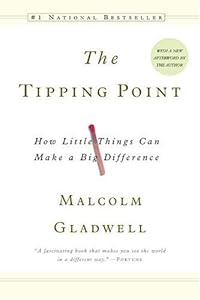
We are still pretty much yellow dog Democrats. As I like to say, the Dems are in the pocket of big business but the Repubs are an organ inside its body. The Republicans really are more vigorous in their "know nothing-ess" when it comes to science -- global warming and so on. We were talking about this after going to Biltmore with you. You really can sink into comfortable despair about modern politics and curse both parties and all parties. It really is an intellectually defensible position, particularly if you are older, with maybe ten years of decent life left, and money in the bank. But by temperament, I choose to think it's worth hoping that -- if the world is not going to move forward (in terms of my definition of such) -- perhaps we can slow things down as the world slides back into the abyss. So: an inch of difference between the D and the R, but I live in that inch! So: We give some money to the Ds and try to be ready to engage in rational poltitical discussion when given the chance in the hope that Malcolm Gladwell is right and there is a tipping point and I will be the one who says the thing to the right person at the right time and thus the world will be saved.
Well, there you go.
Yours,
Michael
Yours,
Michael


 iPad as depicted in
  Zemanta">
![Reblog this post [with Zemanta]](http://img.zemanta.com/reblog_e.png?x-id=3388f216-2716-4d2e-b4fd-1a392bc3ca94)

 Reblog this post [with Zemanta]">

 Posts
Posts


